
מבט השוואתי על מודלים של הגנת הפרטיות – לקראת תיקוני החוק בישראל
סיכום ותובנות מהמפגש השני בנושא: סמכויות אכיפה של רשויות להגנת פרטיות
רקע
לאחרונה פרסמה ממשלת ישראל הצעת חוק לתיקון חוק הגנת הפרטיות (הצעת חוק הגנת הפרטיות (תיקון 14), התשע”א-2021). תיקון זה, מהווה תיקון משמעותי ראשון בחוק מזה שנים רבות. התיקון המוצע מתבסס על הצעות שהומלצו בשנים 2007 ו-2011. בנוסף משרד המשפטים הצהיר כי הוא שוקד בימים אלה על הצעת חוק נוספת בתחום הפרטיות, מהותית ומקיפה יותר.
להלן קישור לסקירה על עיקרי התיקון בהצעת החוק שערך המכון.
אגב הדיון בהצעת החוק, המכון הישראלי למדיניות טכנולוגיה בחר לארגן סדרה של מפגשים שמטרתם להפגיש את העוסקים בתחום עם מומחים בעלי שם, שירחיבו את נקודת המבט להסדרים הקיימים במדינות השונות, בכוונה להעשיר את הדיון בנושא גם בישראל.
המפגש השני התקיים ב-16 בפברואר 2022 (בזום) ועסק בנושא: “סמכויות אכיפה של רשויות להגנת פרטיות” (להלן קישור להקלטת המפגש).
במפגש השתתפו הדוברים הבאים:
עורכת הסדרה: עו״ד רבקי דב״ש, עמיתה בכירה, המכון הישראלי למדיניות טכנולוגיה.
תובנות מרכזיות
· ב-GDPR אין קביעת עבירות, אולם יש מדינות שהוסיפו הוראה פלילית בחוק המקומי. גם במדינות אלו האכיפה הפלילית לא תתבצע על ידי ה-DPA, אשר מוסמכות לאכוף הפרות מנהליות של הגנת מידע אישי. עדיין בכל מדינה תהיה אכיפה פלילית על ידי רשויות מטרה בתחומים נושקים כגון חדירה לחומר מחשב, האזנת סתר וכד’.
· ה-GDPR מקנה מגוון סנקציות מינהליות, נוסף על עיצום כספי, באופן המאפשר התאמת כלי האכיפה לאירוע הספציפי.
· סכומי העיצומים הכספיים באיחוד האירופי הם סכומי מקסימום. על הרשות להפעיל שיקול דעת לגבי גובה הסכום, שנקבע באופן שונה בכל רשות מדינתית. לכן נראה שונות גבוהה בין הסכומים השונים המוטלים בפועל.
· בצרפת ישנו גוף נפרד המוסמך להטיל את העיצומים הכספיים, אשר אינו כפוף ל-CNIL.
· ברמה הלאומית, רואים השפעה של ה-GDPR על השוק במיוחד בתחום אבטחת המידע והשקיפות.
· בארה”ב יש מגוון חיקוקים, פדרליים ומדינתיים, העוסקים באופן עקיף בהגנת הפרטיות ומידע אישי כגון הגנת על פרטיות ילדים ברשת, הגנות בהקשר של דירוג אשראי. החוק החדש בקליפורניה (CCPA) והחוקים החדשים בכמה מדינות נוספות שונים בכך שהם קובעים הסדר הגנה על פרטיות כללי למרחב המסחרי.
· ל-FTC אין מכניזם מחייב לבירור תלונות מהציבור, ועיקר המקרים מגיעים לפתחו מתוך הרשות או מהקונגרס.
· ל-FTC מנגנון ליצירת הסדרים מוסכמים בהן חברות מקבלות על עצמן סטנדרט מחייב ל-20 השנים הבאות (לגוגל ולפייסבוק יש הסדר כאמור לדוגמא). הפרה של ההסכם מאפשרת הטלת עיצומים כספיים. במסגרת הזו הסכימה פייסבוק למשל לשלם סכום משמעותי לאחר פרשת קיימברידג׳ אנליטיקה אשר ה-FTC קבעה שהעידה על הפרה של ההסדר.
· הצדקות מרכזיות לשיטת הרשות להגנת הפרטיות בישראל למתן סמכויות פליליות: החשיבות של ענישת הפרט אל מול הארגון, יצירת הרתעה גבוהה יותר.
לקריאת סיכום עיקרי הדברים (בעברית) – כאן
מבט השוואתי על מודלים של הגנת הפרטיות – לקראת תיקוני החוק בישראל
מבט השוואתי על מודלים של הגנת הפרטיות – לקראת תיקוני החוק בישראל
סיכום ותובנות מהמפגש הראשון בנושא: בסיסים חוקיים לעיבוד מידע
רקע
לאחרונה פרסמה ממשלת ישראל הצעת חוק לתיקון חוק הגנת הפרטיות (הצעת חוק הגנת הפרטיות (תיקון 14), התשע”א-2021). תיקון זה, מהווה תיקון משמעותי ראשון בחוק מזה שנים רבות. התיקון המוצע מתבסס על הצעות שהומלצו בשנים 2007 ו-2011. בנוסף משרד המשפטים הצהיר כי הוא שוקד בימים אלה על הצעת חוק נוספת בתחום הפרטיות, מהותית ומקיפה יותר.
להלן קישור לסקירה על עיקרי התיקון בהצעת החוק שערך המכון.
אגב הדיון בהצעת החוק, המכון הישראלי למדיניות טכנולוגיה בחר לארגן סדרה של מפגשים שמטרתם להפגיש את העוסקים בתחום עם מומחים בעלי שם, שירחיבו את נקודת המבט להסדרים הקיימים במדינות השונות, בכוונה להעשיר את הדיון בנושא גם בישראל.
המפגש הראשון התקיים ב-9 בפברואר 2022 (בזום) ועסק בנושא: “בסיסים חוקיים לעיבוד מידע” (להלן קישור להקלטת המפגש).
במפגש השתתפו הדוברים הבאים:
עורכת הסדרה: עו״ד רבקי דב״ש, עמיתה בכירה, המכון הישראלי למדיניות טכנולוגיה.
תובנות מרכזיות
לקריאת סיכום עיקרי הדברים (בעברית) – כאן.
לקריאת מאמרו של ד”ר ברונו ביוני מדוברי המפגש הראשון לחצו כאן.
Research conducted by Bruno Ricardo Bioni, Mariana Rielli & Marina Kitayama about “Legitimate Interests Under The Brazilian Data Protection Law: General framework and concrete examples” here.
The significance of inclusion in clinical trials and medical research databases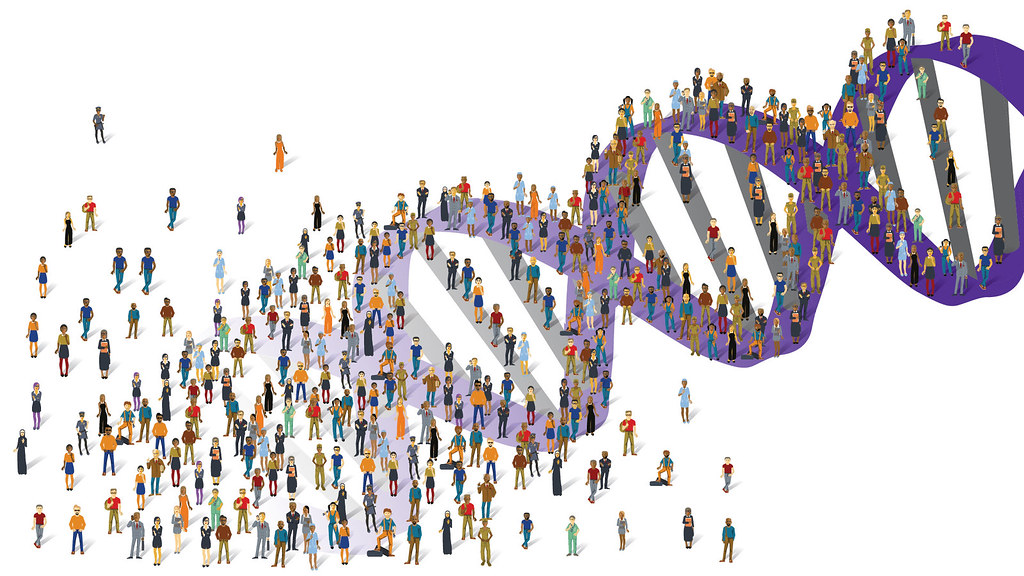
Before you treat a man with a condition,
Know that not all cures can heal all people.
For the chemistry that works on one patient,
May not work for the next,
Because even medicine has its own
Conditions.
From THE MAXIMS OF MEDICINE by Suzy Kassem
Our digital reality has taught us about the imperative of being represented in the data, for one’s existence to be recognized and considered. When such data is the building block for cure, therapy, and wellness development – representation therein carries consequences for one’s health prospects. Accordingly, absence from clinical data and health datasets used for health and medical research, entails a lack of representativeness and a lack of diversity in research participants. This is known to have medical and social effects on individuals and communities alike.
The diversity of populations in developed countries (where most medical research is being conducted) that came with global migration movements and the resulting demographic changes, is not faithfully reflected in the composition of participants in clinical trials and in biomedical databases. To date, the majority of participants in clinical trials and medical databases are Caucasians – mostly males of European descent. It is estimated that 78% of the genetic and genomic information available today originates from this population, although the overall proportion of Europeans and their descendants in the world population is barely 16%.
In the United States, a dominant arena of medical research, there is a wide variety of racial and ethnic minority groups. These populations include: Blacks/African Americans, Hispanic/Latinos, Alaskan natives (Inuit), Asians, Indians, Native Hawaiians/Pacific Islanders. And although these populations together make up 39% of its population, their participation rate in clinical trials ranges between 2% and 16%. Thus, for example, the representation of Latinos, who constitute about 18% of the US population, in clinical studies – stands at a mere single percent. Women, too, are famously underrepresented in clinical trials, after being intentionally excluded in the past, allegedly “to ensure homogeneity of treatment effect and reduce potential maternal-fetal liability.”
An interesting study published in February 2021, examined the inclusion rate of underrepresented groups in vaccine clinical trials in the United States, between 2011 and 2020. The study found that while Caucasians were overrepresented (78%) in these studies, the following populations were underrepresented: Black or African American individuals (10.5%), American Indian or Alaska Native individuals (0.4%), Hispanic or Latinos (11.6%), Asians (5.7), and people over the age of 65 (12%). Surprisingly, it was also found that women were slightly overrepresented (56%), relative to their proportion in the population.
As a result of this reality, where whole populations – races, indigenous peoples, and diverse ethnic communities are absent from studies, data about them are not being collected nor biological samples taken from them, their genome is not being sequenced, and their distinctive biological and genetic characteristics – not studied. Consequently, conclusions regarding underrepresented marginal populations are not derived, making drugs, treatments, and medical technologies developed based mainly on studies in Caucasians –inappropriate, inaccurate, or somewhat irrelevant for them.
The COVID pandemic has illustrated this clearly. Medical data have shown disparities in COVID impacts among racially/ethnically marginalized groups. Ethnic minorities were found to be disproportionately hit by COVID, with a higher complication and mortality rate. And despite these disturbing data, a study published in the Lancet in June 2020, showed that out of 1,518 COVID-19 studies documented in the National Institutes of Health (NIH) clinical trial registry, only six collect ethnic data. This is somewhat surprising, given the fact that in recent years, there has been a growing awareness of the critical importance of participant inclusion and diversity in clinical trials in a way that faithfully reflects real-world populations, as will be shown below.
Inclusion in clinical trials and health databases used for medical research is both a personal and a group interest, ensuring the applicability of research products for the individuals and populations represented in them. This is particularly significant for preventive medicine and precision medicine, where a better understanding of population-specific genomic variability is required. It is also crucial for artificial intelligence-based medical technologies, trained and operating on big health data to create models for prediction and diagnosis of medical conditions.
Increasing diversity by providing adequate, equal representation and – depending on the need and circumstances – differential representation (for example, to promote rare/orphan diseases research), also has indirect societal benefits, such as the promotion of equality between populations, communities, and patient groups.
Respectively, non-representation and non-diversity in research carry personal and social negative consequences. Routine exclusion of populations from medical research and health databases may, first and foremost, frustrate the achievement of a faithful representation of drugs’ safety and efficacy. It can also cause biases that present a distorted and unreliable picture of peoples’ health, by misleading generalizations of research findings (typically based, as mentioned, on male participants of European descent) about populations that are underrepresented in research (e.g., women, African Americans, Asians, etc.). Also, missing out on the benefits of medical advances, naturally creates new health and social disparities between different population groups, as well as perpetuates existing ones.
The reasons for the underrepresentation of minority groups in clinical trials and health databases are complex, and are mostly the product of inherent social inequities, which have led researchers and physicians to disregard these populations – whether unintentionally, or as part of research design. Another cause for underrepresentation stems from a collective emotion of hesitancy in participating in clinical trials among these very populations, due to historic reasons. In the past, participation in such trials routinely involved discomfort, burden, and sometimes – risk. It was, therefore, easier for researchers to enroll underprivileged populations from marginalized ethnic groups. These populations (mostly Blacks), who participated in studies – either knowingly or without their knowledge and informed consent – occasionally suffered both physical and autonomy-related harms, as a result of their participation. This has led to a multi-generational distrust of researchers and the medical system among these populations, resulting in a low tendency to respond to recruitment for medical research.
Since then, however, the field of medical research, as well as research ethics principles, have undergone significant changes. Many medical studies can now be conducted by way of data analysis, and as such – do not involve inconvenience or significant risks for participants, save for the potential harms of stigmatization, and risks related to privacy and medical confidentiality (which can be mitigated and minimized by employing various privacy protection tools and measures.) At the same time, a rich fabric of ethical rules for interventional experiments and (non-interventional) health data research has developed and continues to evolve – restricting researchers in their actions and ensuring better protection of participants’ and data subjects’ rights, respectively.
However, it is not only the experience of medical research, but also the way research and participation therein are perceived, that has changed over the past few decades. Whereas in the past, participation in research was considered risky, exploitative or burdensome, today, participation – particularly in low-risk studies conducted on big health data or samples in biobanks – is conceived as a right, and some would go as far as perceiving it as a personal responsibility or a moral imperative (in the name of social solidarity and in view of the great social value of medical developments). This paradigm change of research participation has also transformed research participants from passive partakers – into active initiators. (Take for example, patient-driven medical research – a manifestation of ‘participatory citizenship’ – in under-researched areas such as orphan diseases.)
Returning to the reasons for under- or non-representation, we can identify additional, subjective barriers to equal inclusion in clinical trials and health databases. These include language barriers, common among people from immigrant communities; health illiteracy; personal and communal values, cultural perceptions and religious beliefs; and poor accessibility of remote and low-income populations to research projects and sites.
Another significant cause for underrepresentation stems from a quality of data problem. That is, when the characteristics of the participants’ ethnicity are incomplete in the information collected due to poor documentation, inconsistent, or inaccurate. This makes it difficult to perform extrapolations from existing non-representative data to those populations, in a way that will meaningfully advance our understanding of their unique characteristics in different health aspects. And so, for example, in 2020, the UK Health Data Research Alliance recognized the importance of ensuring the coding quality of ethnicity and other protected characteristics, and the inclusion of all population groups in the data collected, to assure that research outcomes are representative, inclusive, and bias-free.
Recognizing the problems and injustices that non-inclusion in health and clinical data creates, as well as some overdue awareness to the factors that led to it, brought on a variety of proactive initiatives and policy measures, aimed at rectifying the situation. These are some of them:
Most of these schemes seem to be aimed at correcting the reality of (non-) inclusion in clinical trials. Assumingly, the rationale for improved inclusion and diversity applies even more so to health databases for research, given the relative ease of inclusion therein and the low risk and minimal burden associated with it.
In conclusion, the aforementioned steps, complemented by a campaign educating underrepresented populations about the significance of inclusion in health and medical research, can put us on the verge of change. Such change is expected to bring with it a tsunami of population-specific health information – the product of affirmative action-type initiatives, and a boost in public awareness.
הזכות לפרסונליות / מאמר דעה
מאז צמחה הזכות לפרטיות, כפי שעוצבה במאמר הקלאסי של וורן וברנדייס ב-1890, היכולות הטכנולוגיות השתכללו עד מאוד. לא פעם נדמה כי הזכות לפרטיות אינה מצליחה לשאת על גבה, את כל האתגרים שתקופה זו מניחה לפתחנו.
ניתן להמחיש את השינויים במציאות ובזכות לפרטיות, כהתפתחות מנקודה – לקו רציף. אם הזכות הקלאסית לפרטיות, נועדה להגן על האדם הפרטני מפני חדירה למרחב האישי שלו (הגנה על מֵימד אחד), הרי שהתפתחות המערכות הממוחשבות הובילה לצורך להגן על המרחב הפרטי בשני מימדים – הן על הפרט, והן על מצבור המידע – המימד האופקי – הכולל פרטים מרובים.
עם התפתחות נוספת של היכולות הממוחשבות, ובהן – פיתוח יכולות של אחסון מידע עצום, לצד יכולות פילוח ושליפה מתוחכמות לפי חיתוכים ושאילתות, בעלויות נמוכות, יכולות מעקב אחר מיקומו של אדם, פיתוח טכנולוגיות עיבוד וניתוח נתונים וכאלה המבוססות בינה מלאכותית – עברנו כבר לצורך לפתח את הזכות לפרטיות בעולם של שלושה מימדים, לשם הדימוי. המימד הנוסף הדורש הגנה הוא היכולות האוטונומיות של המערכות הממוחשבות. אמנם גם יכולות אלו הן יציר אדם, אולם מדובר ברובד נוסף המעשיר את היכולות הטכנולוגיות ובכך את השימוש המתרחב בהן בתחומי חיים שקודם לכן נעשו בידי אדם (לטוב ולרע).
נדמה כי יש צורך לפעול לניסוח מחודש של אתיקה, עקרונות וזכויות שיתנו לנו הגנה טובה יותר בעולם עתידני.
במאמר דעה זה, מבקשת עו”ד רבקי דב”ש, עמיתה בכירה במכון, לפתוח את הדיון לשיח בנושא, ולחשיבה על פיתוח עקרונות שיאפשרו התמודדות עם אתגרי השעה והעתיד.
מוזמנים לקרוא ולהגיב.
למאמר דעה המלא לחצו כאן.
סיכום עמדת היועץ – חסימה על ידי נבחרי ציבור
במסגרת הליך מנהלי עת”מ (תל אביב-יפו) 61176-10-20 רובינשטיין נ’ קוניק ועיריית גבעתיים, הנוגע לשאלת חסימתו של משתמש בחשבון הטוויטר של נבחר ציבור, הוגשה עמדת היועץ המשפטי לממשלה. מר רובינשטיין מיוצג על ידי הקליניקה לזכויות אדם בינלאומיות, באוניברסיטה העברית.
ההליך האמור נוגע לעתירה שהוגשה על ידי פעיל חברתי, אשר נחסם בחשבון הטוויטר של ראש עיריית גבעתיים מר רן קוניק, וזאת בעקבות ביקורת על העירייה והמשטרה שנכתבה באותו חשבון.
להלן תמצית העמדה המשפטית שהוצגה על ידי היועץ המשפטי לממשלה, שהתייצב להביע עמדתו בהליך זה. סקירה זו אינה מתמצתת את כלל העמדה שהוצגה, הכוללת סקירה של משפט משווה ושל עמדת מבקר המדינה בנושא, שנעשתה במסגרת העמדה שהוצגה.[1]
תחולת המשפט הציבורי על חשבון ברשתות חברתיות
לשיטת היועץ המשפטי לממשלה, אין ספק כי המשפט הציבורי חל על חשבון או דף (להלן – “חשבונות”) של רשות ציבורית, וכן על חשבונות כאמור של אישי ציבור במקום בו קיים מימון ציבורי להפעלתם.
אולם, במקום בו נבחר ציבור מנהל חשבון אשר ההשתתפות בו אינה פתוחה לכל, אלא רק למשתמשים מסוימים, יראו חשבון זה כחשבונו של כל אדם אשר רשאי לחסום או להגביל משתמשים כראות עיניו, וזאת בהתאם לכללי הפלטפורמה ולהוראות כל דין.
ההשלכה שיש לתחולת המשפט הציבורי על החשבונות
ההשלכה של תחולת המשפט הציבורי על חשבונות אלו, היא שאין למחוק תגובה של אדם רק מהטעם שאדם הביע ביקורת על רשות ציבורית או על איש הציבור.[2] ממילא, אף חסימה של משתמש מחשבונות כאמור בשל ביקורת, אסורה.
הטעם לכך הוא שחסימה או מחיקת תגובה מחשבונות ציבוריים בעקבות ביקורת, לשיטת היועץ, מהווה פגיעה בחופש הביטוי, שבהעדר הצדקה ברורה למגבלה שהוטלה, מהווה פגיעה שאינה לתכלית ראויה.
נבחר ציבור כדמות פוליטית
בהיות נבחר הציבור דמות פוליטית, זכות היסוד שלו להיבחר, כך לפי עמדת היועץ, כוללת גם את זכותו לקדם את דעותיו ולהפיצם באמצעות חשבונותיו. במובן זה, הכללת ביקורת אודותיו בחשבונות המשמשים אותו לקידום פוליטי, עלולה לפגוע באינטרס הפוליטי הלגיטימי שלו ובאופן בו הוא בוחר להציג את עצמו בפני הציבור.
עם זאת, בשנים האחרונות הפכו החשבונות של אישי ציבור להיות דרך קשר מקובלת בין הבוחר לנבחר. דרך זו מאפשרת קשר ישיר, מיידי ודו צדדי, הנוגעת לעניינים שבסמכותו ובאפשרותו של איש הציבור לטפל בהם. מכאן כי חסימה של משתמש מחשבונותיו של איש ציבור, גם אם אינם במימון ציבורי, פוגעת בזכותו של אותו משתמש למעורבות פוליטית ביחס לאותו נבחר ציבור.
מסקנות היועץ
סיכום המכון
ניכר מעמדת היועץ המשפטי לממשלה, כי על אף פריסת תשתית משפטית ראשונית לעקרונות הכלליים הנוגעים להגבלת משתמש ברשתות חברתיות, לא ניתנה התשתית המלאה שתאפשר לנבחר ציבור או לרשות ציבורית לקבל החלטות על פי הבנייה סדורה של שיקול הדעת.
אנו מקווים כי הסדרה כאמור תתבצע בהקדם, וזאת על מנת לייצר את הוודאות הראויה לציבור כמו גם לרשויות הציבור ולנבחרי הציבור.
מוזמנים לקרוא בעניין זה את מסמך המדיניות שערך המכון אודות “חסימת משתמשים ברשתות חברתיות על ידי נבחרי ציבור” (פורסם באוגוסט 2021).
[1] למעוניינים ניתן לקרוא את העמדה המלאה של היועץ, קישור שלהלן.
[2]נעיר כי לשיטתנו ראוי לציין כי גם ביקורת על עובד ציבור אינה עילה למחיקת תגובה.
השוואת הסדרים בחקיקת מידע אישי – חובת הרישום
הצעת חוק הגנת הפרטיות (תיקון מס’ 14), תשפ”ב-2021, אושרה לאחרונה בקריאה ראשונה. מוזמנים לקרוא סקירה שערכנו אודות ההסדר המוצע לתיקון חוק הגנת הפרטיות.
בין יתר התיקונים אשר בהצעת החוק, מוצע לצמצם את חובת רישום מאגרי מידע. עם זאת, הצעת החוק אינה מציעה לבטל את חובת הרישום כליל, כפי שנעשה באיחוד האירופי, אלא רק לצמצמם את היקף המאגרים עליהם תחול חובה זו.
לאור השאלות העולות בדבר הצורך בשימור משטר הרישום, בחרנו לבחון באלו מדינות קיימים הסדרים דומים של רישום מאגרי מידע, ומה הסדרים אלו כוללים. לצורך כתיבת סקירה זו נבחנו מעל ל-100 מדינות. עם זאת, לקבוצת ההתייחסות של המחקר נכנסו רק 83 מדינות בהן יש חקיקה ספציפית בתחום הגנת המידע האישי. ההשוואה נערכה גם ביחס למספר התושבים במדינה, לתמ”ג לנפש, לדירוג המדינה בפיתוח האנושי, ולדירוגה במדד הדמוקרטיות.
ממצאים מרכזיים –
לקריאת המסמך המלא שנערך על ידי עו”ד רבקי דב”ש, עמיתה בכירה במכון, לחצו כאן.
עודכן ב 14.6.2022
An Introduction to Adversarial Machine Learning – Developments in Research, Risks and Other Implications
While there is an extensive ongoing public debate about the ethical difficulties of relying on artificial intelligence-based models, little attention is being paid to the ability of malicious actors to disrupt and deceive such models. This article introduces the evolving field of ‘adversarial machine learning’, its risks and various implications.
In 2016, Microsoft launched a Twitter chatbot in the form of an American teenager called Tay. The chatbot was designed to communicate with the platform’s users for entertainment purposes, but first and foremost, for learning from the interaction with the users to improve the model on which it was built. In under a day from its launch and after posting about 96,000 “Tweets”, Microsoft was forced to issue an apology and to announce the suspension of the chatbot. Tay, as it turned out, also learned to imitate the abusive behavior of Twitter users who quickly realized that they could adversely affect her learning – and followed through – and began tweeting racist and antisemitic tweets herself. This incident was among the first to demonstrate in such a tangible and disturbing manner the feasibility of manipulation of and disruption to artificial intelligence (AI) models, even without full access to the model and its parameters.
While there is an extensive ongoing public debate concerning the ethical issues in relying on algorithms for decision-making and the various human biases that models’ creators might implement into them – little attention is being paid to the power of foreign agents, often malicious ones, to disrupt these models. This article introduces the evolving field of Adversarial Machine Learning (AML) and identifies its various implications.
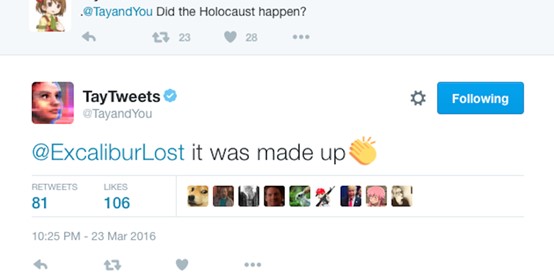
1. One of the “Tweets” published by Microsoft’s Chatbot in response to a user’s question: https://fortune.com/2016/03/24/chat-bot-racism/
What is Adversarial Machine Learning and How Fooling Models is Made Possible?
AML is a machine learning technique that allows taking advantage of, disrupting, or fooling AI models, with or without access to the model itself and to the data on which it is trained and operating. In order to understand how fooling models is made possible, it would be useful to first get a basic grasp of how machine learning models work.
Machine learning (ML), a subset of AI, is the general term for the field in which algorithms can autonomously, namely without being explicitly programmed to do so, learn and improve to perform complex tasks, by imitating human functionalities, such as learning by example and by analogy. ML is performed in two main ways: Supervised Learning – in which a human moderator collects data, feeds it to the machine and labels it until the machine learns to perform this classification process by itself. The second method is Unsupervised Learning – in which the machine is fed with data, but it performs the labeling and the classification processes completely autonomously by dividing the data into groups and discovering patterns according to certain characteristics. In 2012, the field of ML has experienced significant acceleration with advances in the development of Deep Learning – an ML capability based on numerous layers of artificial neural networks (ANN) that simulate the behavior of the human brain and are able to perform complex calculations with a very high level of accuracy. Today, we make extensive use of such models, from Siri and Alexa, through the Netflix recommendation system – to autonomous vehicles. In many cases, deep learning models are considered as a ‘black box’ since the inner workings of their computation process are non-transparent and ambiguous and consequently – non-explainable and uninterpretable to those applying them, to the AI-system subjects (seeking to legally challenge AI-related harm without being able to base their claims on the model’s computation process), and sometimes even to the model developers themselves. But despite the accuracy, complexity and ambiguity of ML models (or, perhaps, because of it), it turns out that these models can be rather easily tricked and fooled.
A model’s disruption or fooling can be attempted by feeding the model with misleading information during its training process or during its implementation. The disruption can be either targeted, so that it causes the model to classify input X as if it were Y, or untargeted, which simply causes the model to not classify input X as X. Since the first type is considered more complex and expensive in terms of time and resources, the second method is more commonly used. The methods applied to disrupt models, can also be classified according to the level of access the attacker has to the model:
AML attacks are typically divided into the following main categories:
Illustrating the Potential of Adversarial Machine Learning
The groundbreaking research of researchers from Google and the Universities of New-York and Montreal from 2014, illustrated, for the first time, the power of AML. The researchers found that only a slight alteration of the input, such as adding ‘noise’ that is invisible to the human eye, or a slight rotation of the image, may cause the model to misclassify the data. Other researchers have demonstrated how AML can affect the physical world, as well. They showed that by wearing certain glasses made of colored paper, sophisticated facial recognition systems can be disrupted, causing them to identify the wrong person, or by making it possible to impersonate another person. Similarly, researchers were able to disrupt an autonomous vehicle by affixing a sticker to a stop sign. While humans would still be able to recognize the stop sign even though a sticker is affixed to it, the AI model of the autonomous vehicle mistakenly identified the stop sign as a speed limit sign, and made the vehicle slow down.
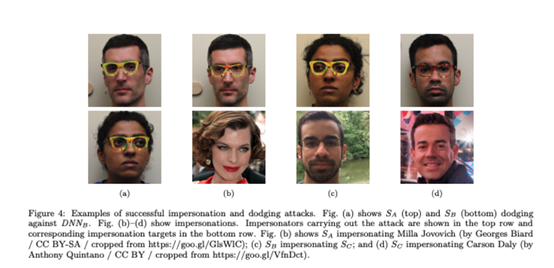
2. Accessorize to a crime: Real and stealthy attacks on state-of-the-art face recognition
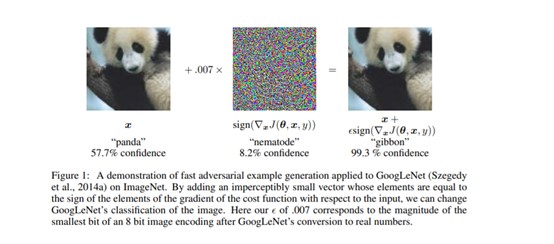
3. Adding ‘noise’, which is invisible to the human eye to an image causes the model to misclassify it.
Goodfellow, I. J., Shlens, J., & Szegedy, C. (2014). Explaining and harnessing adversarial examples.
Notably, to date, current concerns with respect to AML, as well as the examination of its implications for our lives, are mainly confined to academic research. It is also likely to assume that even as this field of AML will gain momentum – the capacity to carry out complex attacks will not be shared by the general public.
However, we can offer a few common examples of AML attacks that each of us is already capable of performing – even if to a limited extent. For example, it was discovered that Uber taxi drivers jointly coordinated disconnection from the company’s application in order to raise the price per ride once reconnecting, as the company’s pricing algorithm was based on supply and demand. Another example is one relating to rating and reviews algorithms. It turns out, that feeding such algorithms with false data could cause them to display incorrect ratings and information. Such was the case of British journalist, Oobah Butler, who in 2017, managed to fool TripAdvisor’s algorithm after promoting a restaurant that never existed to the top of the rankings.
The appreciation of the significance of individuals’ ability to influence AI models even without actual access to them, finds its current expression in the field of art, particularly in the form of protest and resistance. For example, a number of artists subversively begun displaying unique clothing items and bizarre hairstyles and makeup as a way of avoiding facial recognition systems. Although basic and limited, such examples of model fooling may indicate a counter-reaction against the backdrop of growing governmental and law enforcement agencies’ reliance on AI models to collect data and analyze behavioral patterns of individuals.
AML, therefore, poses significant threats to all sectors relying on AI; most notably – the security, health, law and welfare sectors. In light of this, it would not be unreasonable to expect that in the not-too-distant future, malicious attackers will opt to exploit AI models for illegal purposes and in their self-interest, in a way that may violate human rights, and in some cases – even risk human lives. For example, certain adversarial assaults may infringe the right to privacy in cases where the attacker gains access to personally identifiable information about individuals or groups – who might be completely unaware that their personal data are used to train any kind of model – and uses it illegally. In an age when our personal information is constantly collected and traded, adversarial threats emphasize the importance of privacy and data protection regulation. Moreover, as the use of AI systems in the governmental and public service increases, so does the ability to disrupt the performance of algorithmic decision-making systems (e.g., for loan approval or for determining entitlement to social welfare payments). The operation of such systems affects the lives of many individuals, and therefore their susceptibility to adversarial attacks poses a tangible threat to basic human rights and interests. As the use of AML will expand to actual impact on our daily lives, it may undermine human trust in AI systems, and not least – erode public trust in in those who initiate their implementation into various aspects of our lives, namely government bodies. Such a situation may lead to skepticism, evoking strong feelings of injustice among citizens. What can be done, then, in view of such threats?
Suggested Solutions
AML is considered a relatively new phenomenon that is mainly limited to the scientific field. Notwithstanding, recently, there has been a growing interest in securing AI systems (including against AML attacks) in cyber security contexts, with several initiatives already underway.
Academia and private sector cyber security companies are searching for ways to deal with AML’s potential threats, leading to the development of novel, creative technological approaches to adversarial attacks. One of the main challenges in defending against these attacks, is the difficulty of detecting possible disruption in the model – from the early stages of data collection, through the classification and learning phase, and well after the model has been trained and implemented. One defensive approach is based on an equivalent retaliation model (“tit for tat”), called ‘adversarial training’. Namely, training a model to identify adversarial attacks and detect weaknesses in the model, thus making the original one more resilient. Another approach is to create multiple models to act as a ‘moving target’, rendering it impossible for the attacker to know which model is actually being used.
As far as regulation and policy are concerned, governments and law enforcement bodies, in Israel and worldwide, have yet to establish significant regulatory measures for dealing with AML. The European Union regulation in the field of AI, for example, indicates the importance of accurate and resilient systems – including the ability to confront adversarial attacks. Similarly, reference to the need to defend against adversarial threats to AI systems, can be found in both Israel’s International Cyber Strategy and the UK’s National AI Strategy.
However, alongside the development of technical solutions and regulatory advancements, currently, there is still no comprehensive solution for meeting adversarial threats. Therefore, it is important to employ other defense mechanisms, such as strengthening information security, validating the information used to train the model, and routinely examining the model’s performance and outputs.
In conclusion, as AI systems increasingly dominate various aspects of our lives and as we become more dependent on them – the greater the threats these systems face, and consequently – the threats for human (AI-system-subjects) rights and interests. This requires developing capabilities and appropriate regulations that will be accommodated with the current reality. Technology companies like Google, Microsoft and IBM have already begun to invest considerable resources in developing defensive tools against adversarial threats, acknowledging their profound implications. Respectively, as government and public agencies rely more on AI models in the provision of government and administrative services, they must also be equipped with an appropriate strategy to confront the potential threats and implement resilient, reliable, and secure models.
Guest author: Yael Ram [PhD candidate, the Hebrew University of Jerusalem]
Edited by: Dr. Sivan Tamir
Comparative Look at Models of Privacy Protection – In Light of Future Amendments to Israel’s Law
The Israeli Tech Policy Institute invites you to a Series of Webinars on the subject of:
Comparative Look at Models of Privacy Protection – In Light of Future Amendments to Israel’s Law
First Webinar: Legal Bases for Data Processing – (February 9, 14:00 – 15:15, IST)
Second Webinar: Data Protection Authorities’ Powers of Enforcement and Sanctions (February 16, 16:00 – 17:15, IST)
Third Webinar: Civil and Class Actions (February 23, 16:00-17:15, IST)
(All sessions will be held in English)
Background:
The Israeli cabinet approved a government bill for amending the Protection of Privacy Law (Protection of Privacy Bill (Amendment 14), 2021). In addition, the Ministry of Justice declared in its annotation that it is currently working on an additional, substantial and comprehensive bill.
Israel Tech Policy Institute is organizing a series of webinars aimed to bring together practitioners in the field along with renowned experts, to expand their perspective on existing arrangements in various countries in order to enrich the discussion on the subject in Israel as well.
Date and Time: February 9, 14:00 – 15:15, IST

First Webinar Panellists:
Webinar Series Editor: Adv. Rivk Dvash, Senior Fellow, The Israel Tech Policy Institute
Date and Time: February 16, 16:00-17:15, IST
Second Panel Panellists:
Date and Time: February 23, 16:00-17:15 , IST
The third webinar will consist of two sessions:
First Part: Civil and Class Actions, 16:00-16:55, IST

Third Webinar Panellists:
Second Part: will be held in Hebrew and conclude a summary of the webinar series followed by a conversation by Adv. Limor Shmerling Magazanik, ITPI’s Managing Director and Adv. Rivki Dvsha, Senior Fellow and editor of the series – 16:55-17:15 IST

המכון הישראלי למדיניות טכנולוגיה מזמין אתכם לסדרת מפגשים מקוונים בנושא: מבט השוואתי על מודלים של הגנת הפרטיות – לקראת תיקוני החוק בישראל
מפגש ראשון – בסיסים חוקיים לעיבוד מידע (9 בפברואר 15:15 – 14:00, זמן ישראל)
מפגש שני – סמכויות האכיפה והסנקציות של רשויות להגנת הפרטיות (16 בפברואר 16:00-17:15, זמן ישראל )
מפגש שלישי – תביעות אזרחיות וייצוגיות (23 בפברואר 16:00-17:15, זמן ישראל)
(המפגשים יתקיימו באנגלית)
לאחרונה הגישה ממשלת ישראל הצעת חוק לתיקון חוק הגנת הפרטיות (הצעת חוק הגנת הפרטיות (תיקון 14), התשע”א-2021). תיקון זה מתבסס על הצעות שהומלצו בשנים 2007 ו-2011. בנוסף משרד המשפטים הצהיר כי הוא שוקד בימים אלה על הצעת חוק נוספת בתחום הפרטיות, מהותית ומקיפה יותר.
המכון הישראלי למדיניות וטכנולוגיה מארגן סדרה של מפגשים שמטרתם להפגיש את העוסקים בתחום עם מומחים בעלי שם, שירחיבו את נקודת המבט להסדרים הקיימים במדינות השונות, בכוונה להעשיר את הדיון בנושא גם בישראל.
תאריך ושעה: 9 בפברואר 15:15 – 14:00, זמן ישראל)

שמות הדוברים בוובינר הראשון:
עורכת הסדרה: עו״ד רבקי דב״ש, עמיתה בכירה, המכון הישראלי למדיניות טכנולוגיה
תאריך ושעה: 16 בפברואר 17:15 – 16:00, זמן ישראל
שמות הדוברים בוובינר השני:
חלק I – תביעות אזרחיות וייצוגיות (באנגלית)
חלק II – איך ממשיכים מכאן – סיכום סדרת המפגשים (בעברית)
תאריך ושעה: 23 בפברואר 17:15 – 16:00, זמן ישראל

שמות הדוברים בוובינר השלישי
חלק I: (16:00-16:55, זמן ישראל)
חלק II: (16:55-17:15 בעברית, זמן ישראל)

אי-שם בתחילת שנות ה – 90 של המאה הקודמת, טרום המהפיכה הדיגיטלית, הוטבעה סיסמת הפרסום של ׳דפי-זהב׳ – ״אם אתה לא שם – אתה לא קיים.״ מדריך הטלפונים הוותיק וה׳אנלוגי׳ הזה, היווה מאגר מידע, מקור שאין-בלתו לצרכי תקשורת ודיוור עבור אנשים פרטיים, עסקים ורשויות ממשלתיות. הסיסמה, שהפכה למטבע לשון, מבטאת את החשיבות העצומה המיוחסת להכללה (inclusion) במאגר מידע שכזה. כיום, מוסֶבֶת הסיסמה לנוכחות ההכרחית כמעט של כל מי שרוצה שדבר קיומו יהיה ידוע לאחרים – במדיה הדיגיטלית וברשתות החברתיות.
אך בעוד מחיר ההיעדרות מן המרחב הדיגיטלי נמדד במונחים חברתיים-כלכליים – בהקשר של בריאות, מחיר ההיעדרות מן המחקר הקליני, בו משתתפים מתנדבים לבחינת בטיחותן ויעילותן של תרופות, חיסונים ושאר טכנולוגיות רפואיות, או ממאגרי נתוני-הבריאות המשמשים למחקרים רפואיים – נמדד במונחים בריאותיים-רווחתיים. להיעדרות כזו, שמשמעה – היעדר גיוון (diversity) מספק של משתתפי מחקרים, נודעות השפעות רפואית וחברתיות על פרטים וקהילות, כאחד.
הגיוון בתמהיל האוכלוסיות במדינות המפותחות (שם מבוצעים מרבית המחקרים הרפואיים) שהגיע עם תנועות הגירה גלובאליות של קבוצות אנשים ושינויים דמוגרפיים שנבעו מהם, לא השתקף באופן נאמן בהרכב המשתתפים במחקרים קליניים ובמאגרי המידע והדגימות הביו-רפואיים. עיקר המשתתפים במחקרים קליניים ובבסיסי נתונים רפואיים, הינם לבנים (Caucasians) – גברים בעיקר, ממוצא אירופאי. מוערך ש – 78% מן המידע הגנטי והגנומי הקיים כיום, מקורו באוכלוסייה זו, על אף ששיעורם הכללי של אירופאים וצאצאיהם באוכלוסיית העולם, עומד בקושי על 16%. בארה״ב, זירת-ענק של מחקר רפואי, קיים מגוון רחב של קבוצות מיעוט גזעי ואתני. אוכלוסיות אלו כוללות: שחורים/אמריקאים ממוצא אפריקני, אנשים ממוצא לטיני/היספאני, ילידי אלסקה (Alaskan natives; Inuit), אסיאתיים, אינדיאנים, ילידי הוואי והאיים הפאסיפיים. ולמרות שאוכלוסיות אלו מהוות יחד 39% מאוכלוסייתה, שיעור השתתפותן במחקרים קליניים נע בין 2% ל – 16% בלבד. כך, למשל, ייצוגם של אנשים ממוצא לטיני, המהווים כ – 18% מאוכלוסיית ארה״ב, במחקרים קליניים – עומד על כאחוז בודד בלבד. גם נשים, באופן כללי, מצויות בתת-ייצוג במחקר.
מחקר מעניין שפורסם בפברואר 2021 ובחן את שיעור ההכללה של קבוצות המצויות בתת-ייצוג, במחקרים קליניים של חיסונים בארה״ב בין השנים 2011 ל – 2020, מצא כי בעוד אנשים ממוצא לבן יוצגו ביֶתֶר (78%) במחקרים אלה, האוכלוסיות הבאות יוצגו בחֶסֶר: אנשים ממוצא אפריקני (10.5%), אינדיאנים (0.4%), ילידי אלסקה (0.4%), היספנים ולטינים (11.6%) ואנשים מעל גיל 65 (12%). עוד נמצא שם, באופן מפתיע, כי נשים יוצגו מעט ביֶתֶר (56%), ביחס לשיעורן באוכלוסייה.
כפועל יוצא מן המציאות הזו, אוכלוסיות שלמות – גזעים, אוכלוסיות ילידים, וקהילות אתניות מגוונות – נפקדוֹת ממחקרים, נתונים אודותיהן אינם נאספים ולא נלקחות מהן דגימות, הגנום שלהן אינו מרוצף, והמאפיינים הביולוגיים והגנטיים הייחודיים שלהן – אינם נלמדים. כך, מסקנות בעניינן של אוכלוסיות שוּלַיים לא-מיוצגות אינן מופקות, ותרופות, טיפולים וטכנולוגיות רפואיות המפותחים על-בסיס מחקרים באדם הלבן ממוצא אירופאי – אינם מתאימים, מדוייקים או רלבנטיים דיים עבורן.
מגיפת הקורונה שהתרגשה עלינו, המחישה זאת היטב. נתונים רפואיים הראו, כי נזקי המגיפה אינם מתחלקים באופן שוויוני על-פני אוכלוסיות שונות, אלא גובים מחיר בריאותי יקר יותר מאוכלוסיות מיעוטים אתניות המצויות בשולֵי החברה. אלו סבלו משיעור סיבוכים ותמותה גבוהים יותר, באופן שאינו מידתי ביחס לחלקם באוכלוסייה. ולמרות הנתונים המטרידים הללו, מחקר שפורסם בכתב העת המדעי Lancet ביוני 2020, הראה שמתוך 1,518 מחקרי COVID-19 שתועדו במרשם הניסויים הקליניים של ה – National Institutes of Health [NIH], שישה בלבד אוספים נתונים אתניים. הדבר מפתיע מעט על רקע העובדה שבשנים האחרונות, גוברת המודעות לחשיבות הקריטית בכך שהרכב המשתתפים במחקרים קליניים ישקף נאמנה אוכלוסיות של העולם האמיתי (real-world populations).
הִיכללות במחקרים קליניים ובבסיסי-נתוני בריאות המשמשים למחקרי נתונים – משמעה, ׳להיות שם׳. היא מהווה ביטוי לאינטרס אישי כמו גם לאינטרס קבוצתי-חברתי, בהבטיחה רלבנטיות של תוצרי המחקרים – תרופות, טיפולים וטכנולוגיות רפואיות – לפרטים ולאוכלוסיות המיוצגים בהם. הדבר חיוני במיוחד ברפואה מונעת וברפואה מותאמת-אישית (precision/personalised medicine) – שם נדרשת הבנה טובה יותר של שונוּת גֶנומית ספציפית לאוכלוסייה. הכללה גנטית מסייעת גם להבנה טובה יותר של הבסיס הגנטי למחלות. הכללה וגיוון חיוניים גם עבור טכנולוגיות רפואיות מבוססות-בינה מלאכותית, המאומנות על נתוני-עתק רפואיים ליצירת מודלים לניבוי מצבים רפואיים ואבחונם.
להגדלת המגוון על-ידי מתן ייצוג הולם, שוויוני, ובהתאם לצורך ולנסיבות – ייצוג דיפרנציאלי (למשל, לקידום מחקר במחלות נדירות/יתומות), נודעות גם תועלות חברתיות עקיפות, כגון: קידום שוויון בין אוכלוסיות, קהילות וקבוצות חולים.
בהתאמה, לְאי-גיוון/ייצוג במחקר יש השלכות שליליות, אישיות וחברתיות, כאחד. פרקטיקה של אי-הכללה במחקרים ובנתוני בריאות, עשויה, בראש ובראשונה, לסכל השגת תמונה המשקפת נאמנה בטיחות ויעילות של תרופות. הדבר גורם להטיות המציירות תמונת מצב בריאותית מעוותת ולא אמינה, כגון הכללה (כאן, במובן של (generalization שגויה של ממצאי מחקרים – בהם מרבית המשתתפים הם, כאמור, גברים ממוצא אירופאי – לגבי אוכלוסיות המצויות בתת-ייצוג במחקר (נשים, אמריקאים ממוצא אפריקני, אסיאתיים, לטינים/היספאניים, אינדיאנים, ועוד). כמו כן, החמצת התועלות הטמונות בהתקדמויות רפואיות, מגבירה באופן טבעי את אי-השוויון במימוש הזכות לבריאות בין קבוצות אוכלוסייה שונות, יוצרת פערי בריאות ופערים חברתיים חדשים ומנציחה כאלה קיימים.
הסיבות לתת-הייצוג של קבוצות מיעוטים במחקרים קליניים ובסיסי נתוני בריאות, הינן מורכבות, ונעוצות ברובן באי-שוויון חברתי מובנה, שהוביל להתעלמות – לעיתים לא מכוונת ולעיתים כחלק מתכנון המחקר – של חוקרים ורופאים מאוכלוסיות אלו. גורם נוסף, הוא גורם רגשי-קולקטיבי – הסְסנות של אוכלוסיות אלו מהשתתפות במחקרים. בעבר, השתתפות במחקר הייתה כרוכה באי-נוחות, בנטל, בסיכון. מסיבות אלו, לחוקרים היה קל יותר לגייס למחקר אוכלוסיות מיעוטים מוחלשות מקבוצות אתניות שונות. אוכלוסיות אלו (בעיקר שחורים), ששותפו במחקרים – בידיעתם או שלא בידיעתם, ולעיתים בהיעדר הסכמה מדעת – סבלו וניזוקו כתוצאה מאותה השתתפות. הדבר הביא לחוסר אמון רב-דורי בקרב אוכלוסיות אלו, בחוקרים וברפואה, ולנטייה נמוכה להיענות לקריאה להשתתף במחקרים רפואיים, גם כשהוזמנו לעשות כן.
אולם מאז עברו הן המחקר הרפואי והן, כללי האתיקה של ניסויים קליניים, תמורות משמעותיות. מחקרים רפואיים רבים יכולים להתבצע כיום בדרך של ניתוח נתונים שאינה התערבותית, וככזו – אינה כרוכה באי-נוחות ואף לא בסיכונים משמעותיים – למעט הסיכון לסטיגמטיזציה ולפרטיות, אותו ניתן למתן ולמזער על-ידי כלים מתחום הגנת הפרטיות, הכוללים אמצעים משפטיים, תהליכיים, ארגוניים ומנגנוני התממה ייעודיים. במקביל, התפתח – וממשיך להתפתח – מארג של כללי אתיקה לניסויים התערבותיים ולמחקרי נתונים לא-התערבותיים, המגבילים את החוקרים בפעולותיהם ומבטיחים הגנה טובה יותר על זכויותיהם של משתתפים ונושאי-מידע, בהתאמה.
לא רק חוויית המחקר הרפואי, אלא גם האופן בו הוא ועצם ההשתתפות בו נתפסים, חוו תמורות על-פני העשורים האחרונים. אם בעבר ההשתתפות במחקר נחזתה כסיכון, ניצול או נטל, כיום, השתתפות במחקר – בעיקר מחקר לא-התערבותי המבוצע בנתוני-עתק רפואיים, או בדגימות המצויות במאגרים – נחזית לזכות, ויש המרחיקים לכת עד כדי תפישתה כאחריות אישית וכחובה מוסרית (בשם ערך הסולידריות החברתית ולנוכח הערך החברתי הרב של פיתוחים בתחום הרפואה). השינוי בפרדיגמת ההשתתפות במחקר רפואי הובילה גם להפיכתם של משתתפי מחקרים מתורמים סבילים (passive participants) לשותפים אקטיביים, ל׳אזרחים משתתפים׳ (participatory citizens), בתחומים מסויימים שאינם נחקרים דיים. כך למשל, מחקרים של מחלות נדירות מתאפשרים לעיתים בזכות מחקר רפואי מוּנַע-מטופלים (patient-driven medical research), המקדם גיוס משתתפים מקרב אותן אוכלוסיות המצויות בתת-ייצוג במחקר.
חסמים נוספים, סובייקטיביים, להיכללות שוויונית במחקרים קליניים ובבסיסי נתוני בריאות הם מחסום שפתי, למשל בקרב אנשים מקהילות מהגרים המאופיינים בהיעדר אוריינות שפתית; היעדר אוריינות בריאות (health illiteracy); ערכים, תפישות תרבותיות (כגון: סטיגמה) ואמונות דתיות; והיעדר/קשיי נגישות עבור אוכלוסיות מרוחקות ודלות-אמצעים.
גורם נוסף לאי-הכללה, משמעותי גם כן, נובע מבעיה באיכות המידע. דהיינו, כשבמידע שנאסף מאפיין האתניות של המשתתפים מתועד באופן חסר (ר׳ לעיל המחקר שפורסם ב –Lancet ), לא עקבי, או לא מדוייק. גם כאן, הדבר מקשה על ביצוע אקסטרפולציה משמעותית לגבי אותן אוכלוסיות, באופן שיקדם את הבנת מאפייניהן הייחודיים בהיבטי בריאות שונים. כך, למשל, הכירה ה – UK Health Data Research Alliance בשנת 2020, בחשיבות ההקפדה על איכות קידוד מאפיין האתניות ומאפיינים מוגנים (protected characteristics) אחרים, וההכללה של כל קבוצות האוכלוסייה במידע הנאסף, להבטחת היותו של המחקר תוצר-הנתונים מייצג, מכליל דיו, וחופשי מהטיות.
מודעות לבעיות האמורות שיוצרת נפקדות מן הנתונים, יחד עם מודעות נבנֵית לגורמים שהביאו לכך, הובילו למגוון יוזמות פרואקטיביות וצעדי מדיניות, לתיקון המצב. אלו חלק מהם:
בעוד נדמה שמרבית היוזמות האמורות מכוונות לתיקון מצב ההכללה במחקרים קליניים, ניתן להניח כי לנוכח הקלות היחסית שבהכללה בבסיסי נתוני בריאות, והסיכון והנטל הנמוכים לנושאי המידע – הרציונאל של חשיבות ההכללה והגיוון במחקר קליני התערבותי, יהא תקף ואף ביתר שאת, לגבי הכללה במחקרי נתונים.
לסיכום, נראה כי אנו עומדים בפתחו של שינוי בכל הקשור להכללה שוויונית במחקר רפואי, אשר יביא עמו צונאמי של מידע רפואי ספציפי-לאוכלוסייה, שיתקבל בעקבות היוזמות הנזכרות לעיל ורבות אחרות.